


The Proper Way to Serve Wine
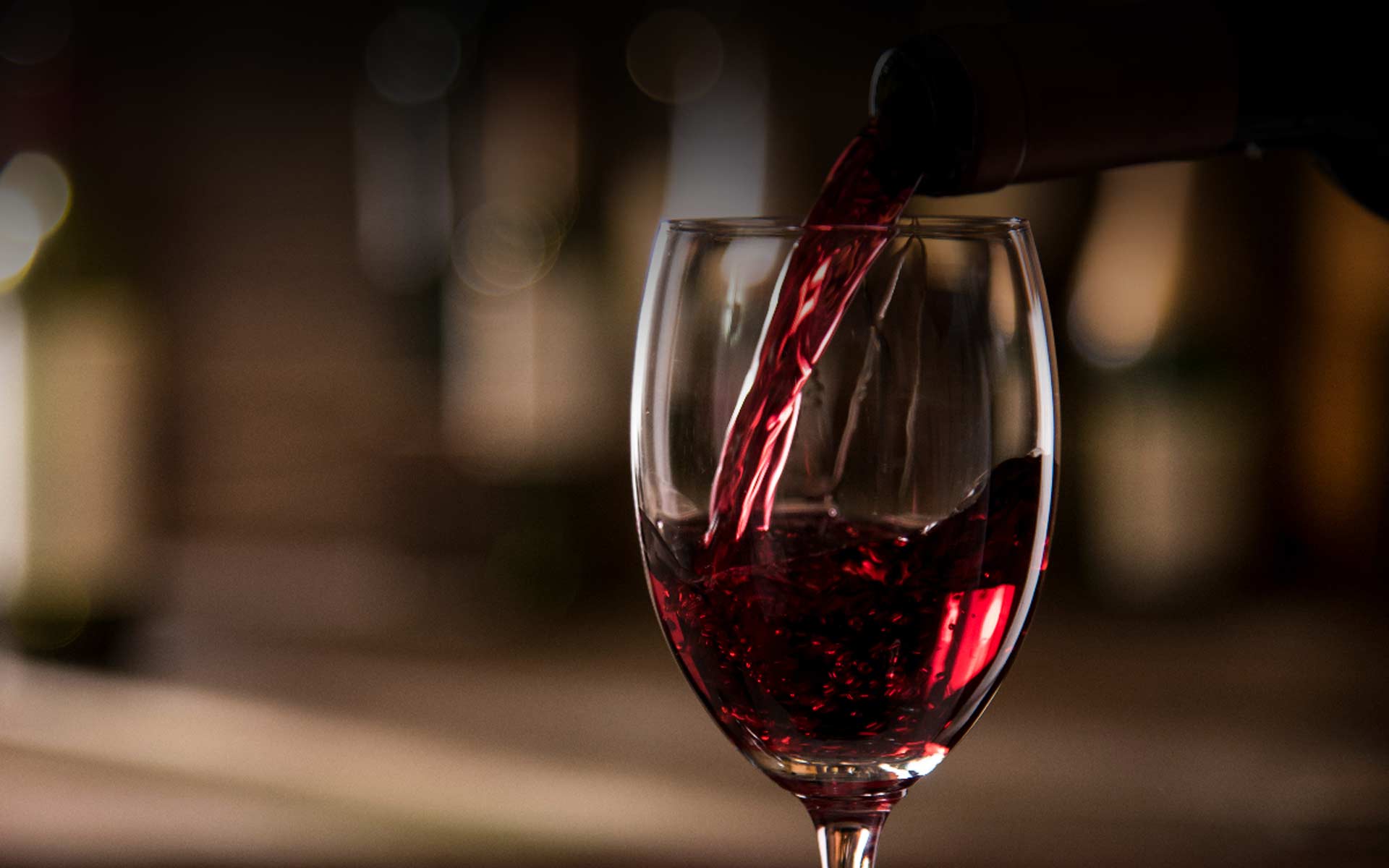
Serving wine is not merely a technical action: it is a moment of hospitality, a small ritual that anticipates the pleasure of tasting. Every detail — from presenting the bottle to controlling the temperature, from cutting the capsule to choosing the correct order of service — reflects care for the guests and respect for the wine itself. In this article, we explore the essential attentions that make wine service truly impeccable — the kind of details that elevate great tables and fine dining experiences. Presenting the Bottle: The Gesture That Sets the Scene The bottle should be brought to the table upright, with the label clearly visible. It is a gesture of transparency and elegance: showing what is about to be served creates anticipation and enhances the value of the wine. In a professional setting, the server announces the wine’s name, producer, and vintage, asking for confirmation from the guest who selected it. At home, a simple smile and a phrase like “I thought this wine would be perfect today” is more than enough. Opening the Bottle: Precision and Silence Opening a bottle is a delicate moment, almost a choreography. Cutting the Capsule Cut below the lip of the bottle, never above. Remove the capsule with a clean, decisive gesture. Wipe the rim with a clean cloth. Using the Corkscrew A double‑hinge waiter’s corkscrew is the most elegant and professional tool. Insert the spiral at the center of the cork, without piercing it completely. Extract the cork silently — a popping sound is considered inelegant. Smell the cork briefly to check its aromatic cleanliness. Tasting for Confirmation A small pour into the host’s glass (or the sommelier’s) confirms that the wine is sound and ready to be served. Temperature: The Balance That Enhances Aroma and Structure Temperature is one of the most important elements of wine service. Here are the essential guidelines: Sparkling wines & Champagne: 6–8 °C Young white wines: 8–10 °C Structured white wines: 10–12 °C Rosé wines: 10–12 °C Young red wines: 14–16 °C Full‑bodied red wines: 16–18 °C A wine served too warm tastes heavy; too cold, it loses expressiveness. Slightly cooler is better — the wine naturally warms in the glass. Whom to Serve First: Etiquette and Sensitivity The order of service follows a logic of respect: Guests of honor Women Men Finally, the host In restaurants, however, the first pour goes to the person who selected the wine, for confirmation, and then to the other guests. Pouring the Wine: Posture, Quantity, Elegance Bottle Posture Hold the bottle by the body, not the neck. Keep the label visible at all times. Pour with a smooth, controlled movement. Quantity in the Glass Sparkling wines: fill one third, then complete. White and rosé wines: one third. Red wines: one quarter, to allow proper oxygenation. Avoiding the Final Drip A gentle upward rotation of the bottle prevents dripping. If needed, wipe the rim with a cloth. Serving Sparkling Wines: The Art of the “Whisper” Opening a bottle of sparkling wine requires delicacy. Chill properly (never in the freezer). Hold the cork with your thumb and rotate the bottle, not the cork. The opening should produce a soft sigh, not a loud pop. Pour slowly to control the foam. Details That Make the Difference Small attentions elevate the service: Never touch the rim of the glass. Never overfill the glasses. Never leave the bottle on the table with the label hidden. Never interrupt conversations while serving. Never correct guests — wine is conviviality, not rigidity. Conclusion: Wine as a Gesture of Care Serving wine is an art made of measured gestures, attention, and sensitivity. Presenting the bottle with elegance, opening it with precision, respecting temperature and order of service — every detail helps transform a simple gesture into an experience. This is what makes wine not just a beverage, but a moment of beauty and sharing.